Sustainable Design

We specialize in healthy, resilient, cost-effective building design and planning. As industry leaders in Passive House, our approach to sustainability is deeply rooted in our in-house energy modeling and integrated design capabilities, and the belief that green design should be both beautiful and affordable.
Passive House

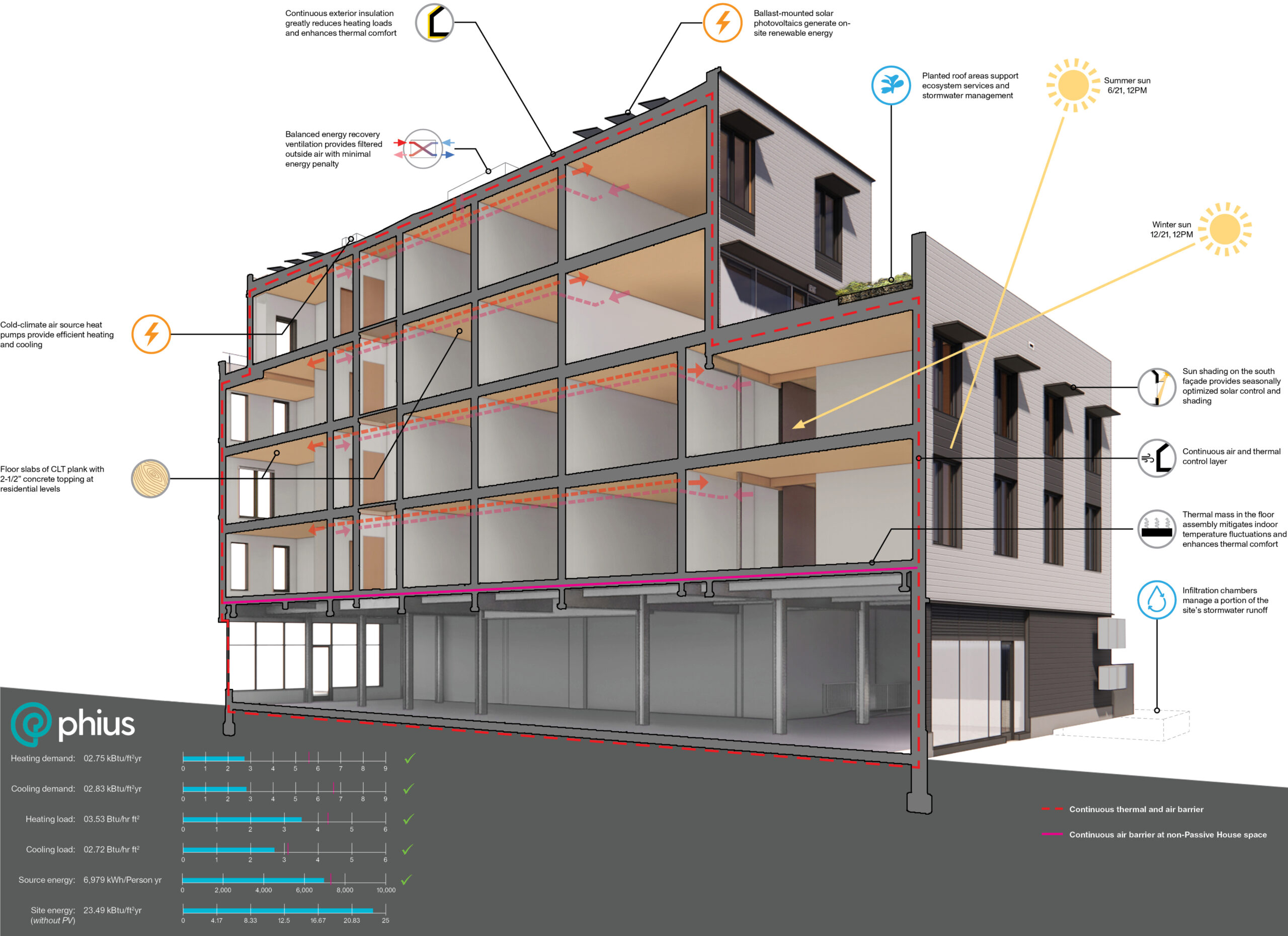
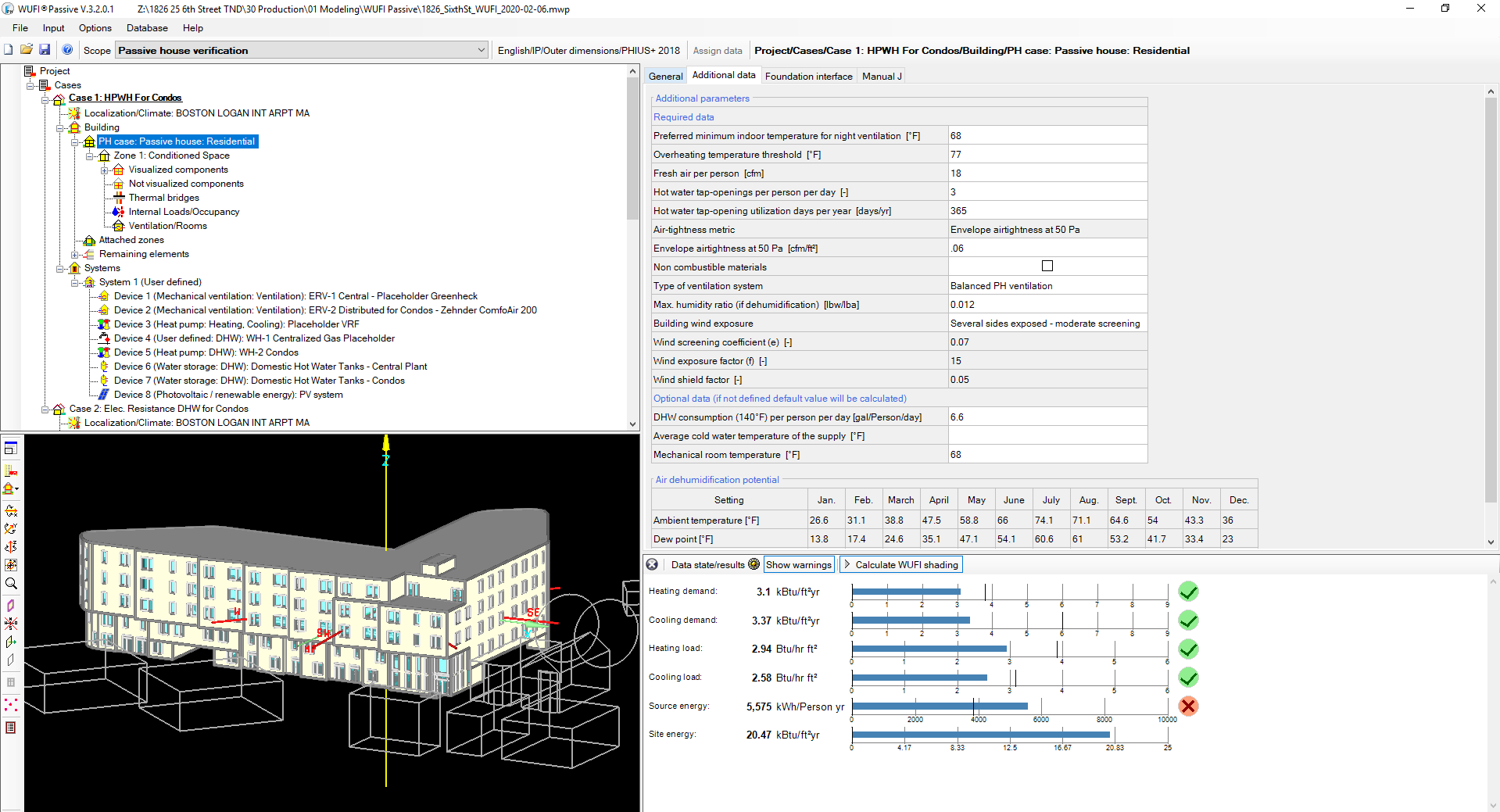
Our in-house team of certified consultants carry out Design Certification through the Passive House Institute US (Phius), resulting in closer coordination with the design process and more integrated outcomes. This also allows us to make the most cost-effective decisions early on and to maximize financial incentives and benefits.
    Passive House and Net Zero

    With over one million square feet of passive house certified projects, we work with our clients to deliver the most cost effective solutions to meet each project’s specific needs and vision.

    Energy Modeling and Building Performance Analysis

    We integrate high performance building at every step of the process, including WUFI passive energy modeling, thermal bridging analysis, solar geometry and daylight simulation, and streamlining stretch energy code compliance.

    Materials and Embodied Carbon

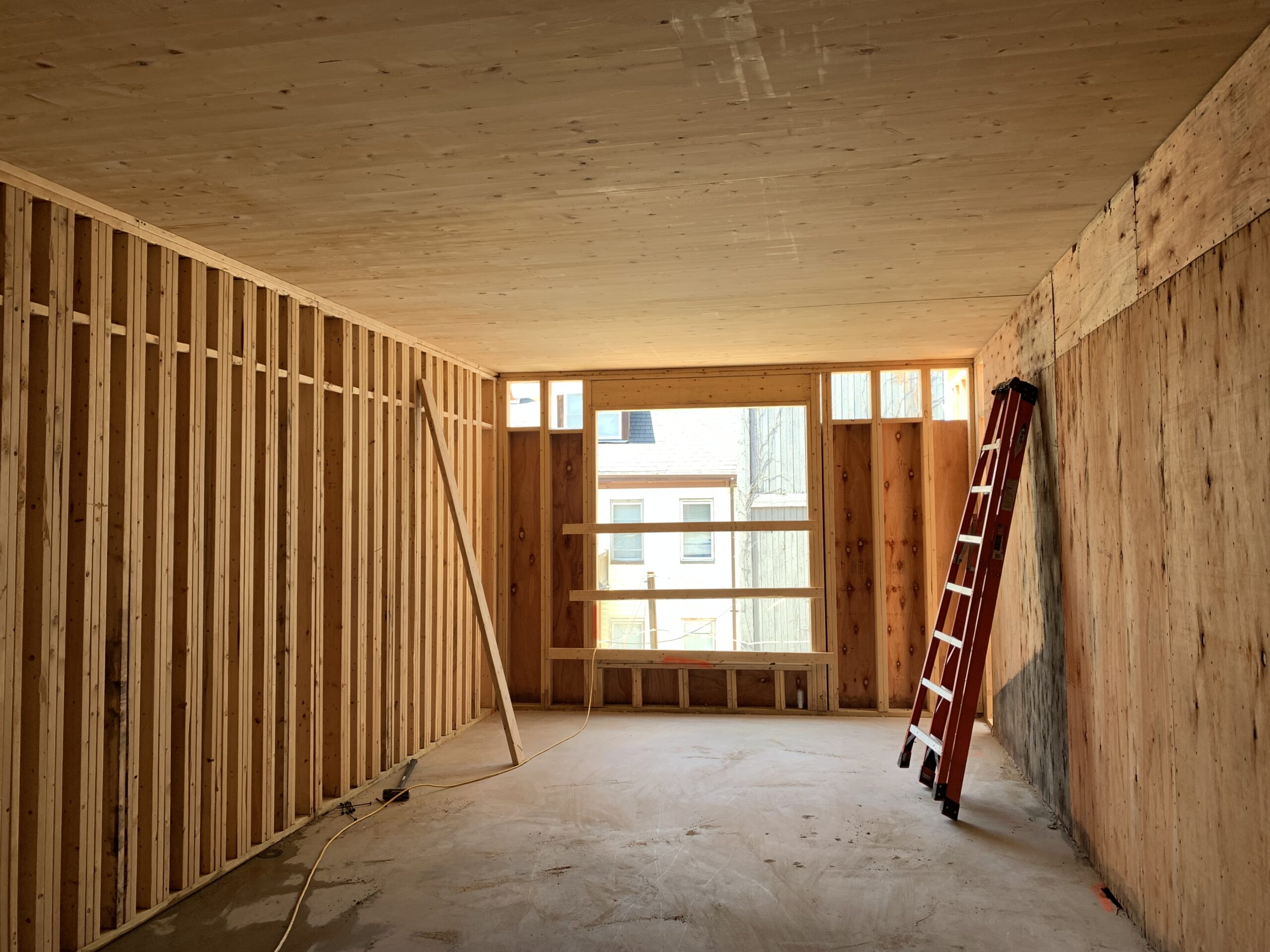
    We evaluate cost-effective solutions for environmentally sustainable materials on every project, from healthy, low-emitting interior finishes to low upfront carbon systems like mass timber construction.

    Resilience Planning

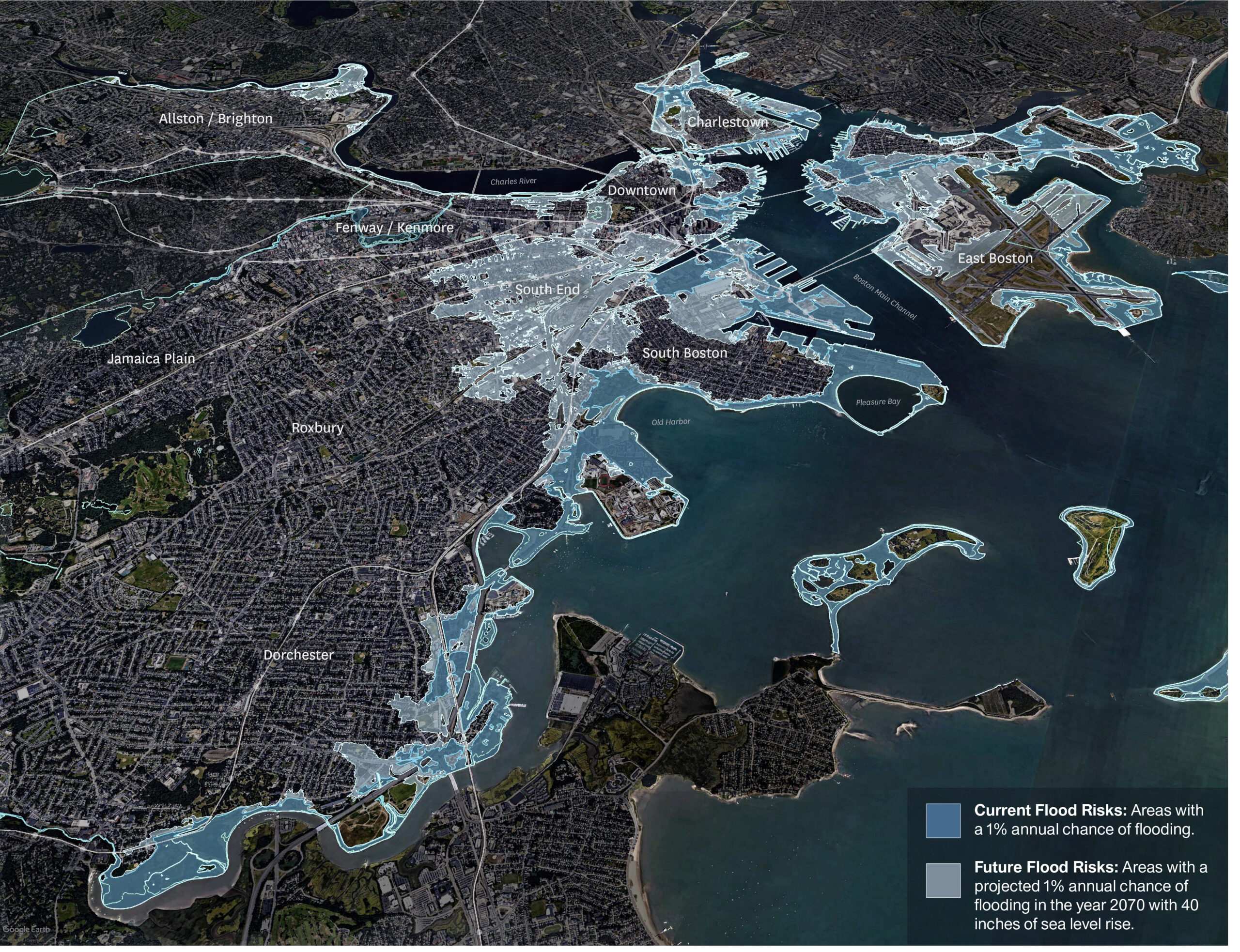
    As a leader in flood resilient zoning and design guidelines, Utile has assisted several municipalities in developing strategies and standards for urban design, adaptations, and long-term coastal resilience.

Designing for social, economic, and ecological value

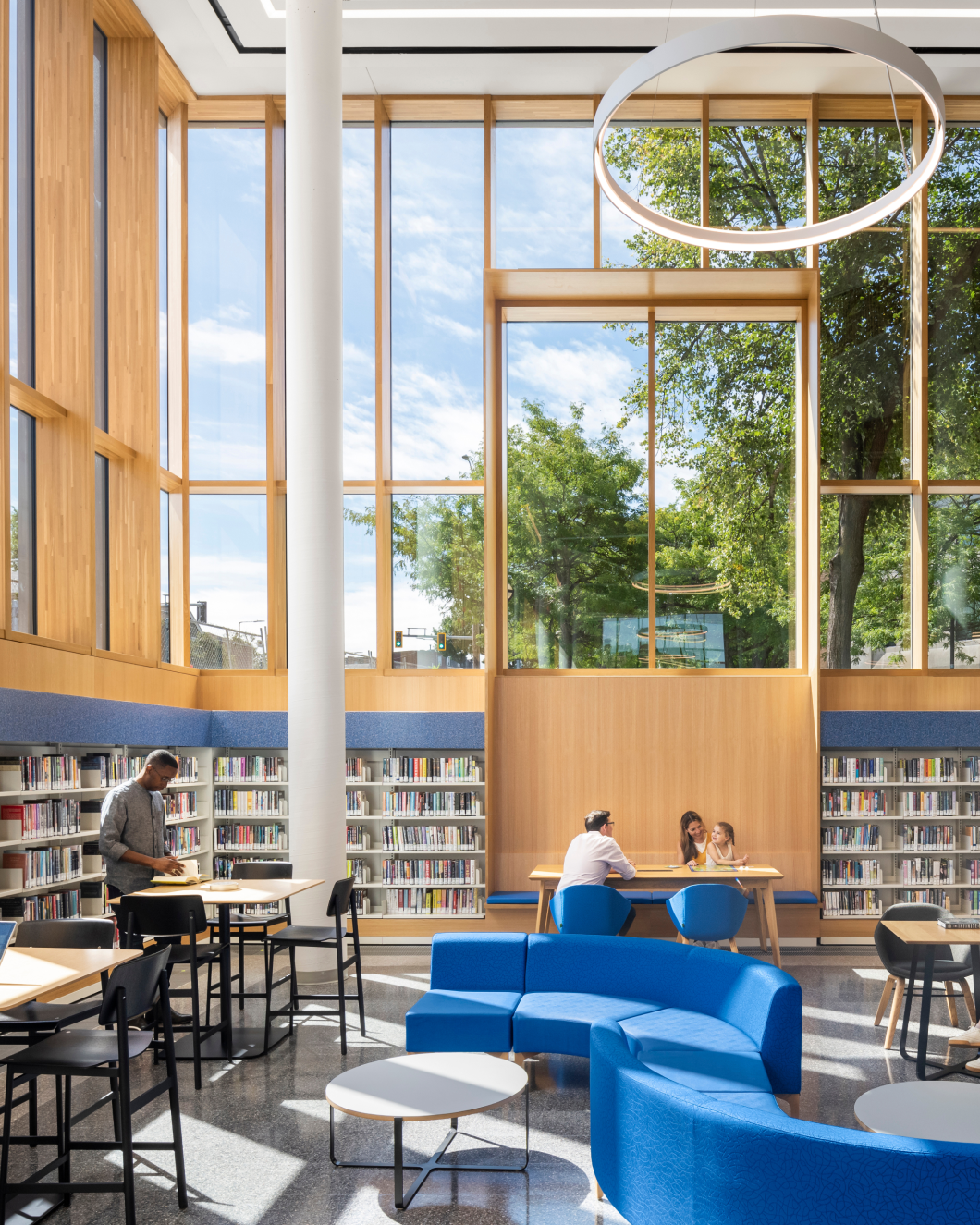
The Roxbury Branch of the Boston Public Library Renovation was recognized with an AIA COTE Top Ten Award in 2022 for its sustainable design and renovation. This award recognizes projects that excel in both design and environmental performance. The Roxbury Branch was specifically commended for its energy efficiency improvements, including new windows, insulation, and roofing, which reduced its energy consumption by 40%. The renovation also preserved the original concrete structure of the 1970s building while expanding usable space by 20%.
Related News & Research

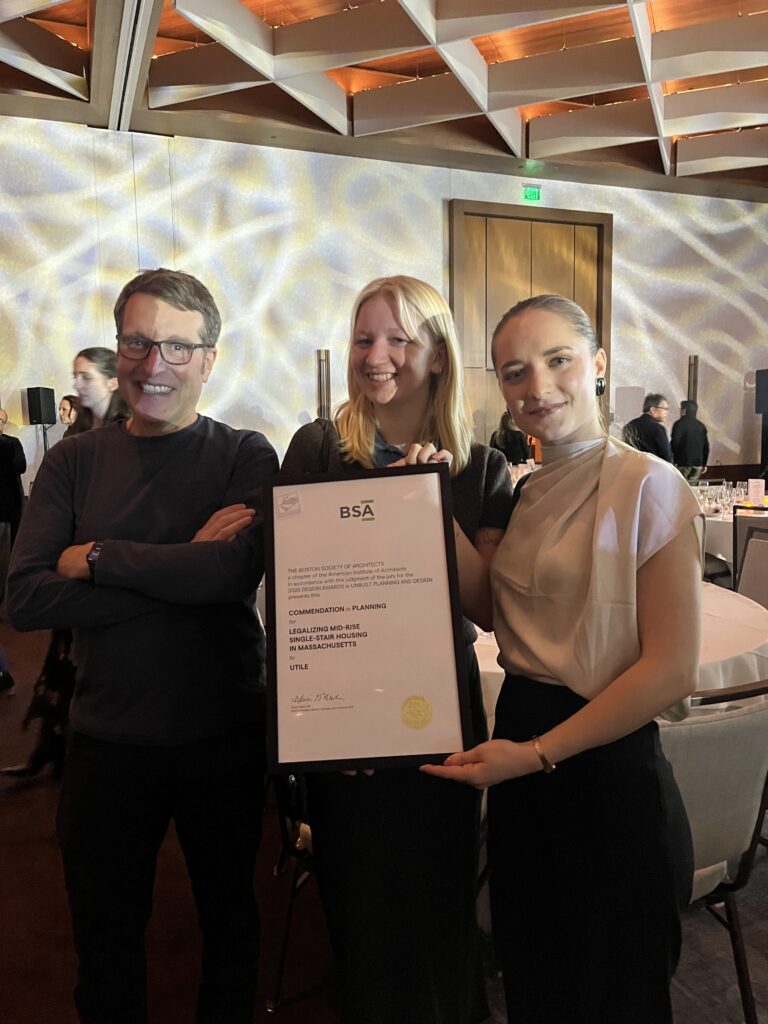
  • Utile Wins Boston Society of Architects Award for "Legalizing Mid-Rise Single-Stair Housing in Massachusetts" Report

    03/12/2026

    read more
  • Honoring the Labor of Women of Color this Women's History Month with Bithiah Holton

    03/11/2026

    read more
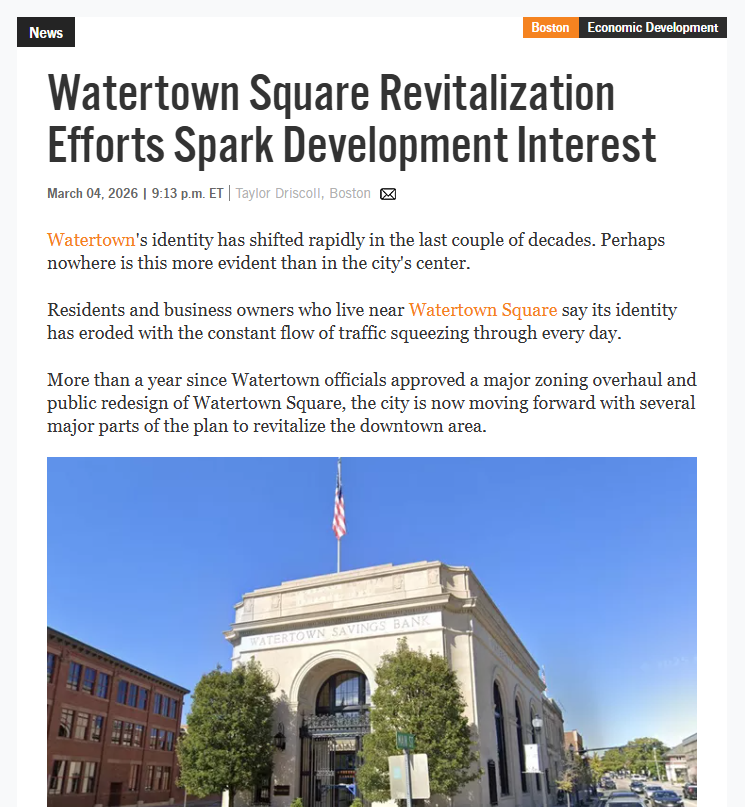
  • Utile's Watertown Square Area Plan Highlighted in Bisnow News

    03/06/2026

    read more
  • Utile Featured in Vermont Public: Vermont's Statewide 802 Homes Initiative

    02/13/2026

    read more
  • Celebrating Heritage and Resilience this Black History Month with Ayana Mack

    02/09/2026

    read more